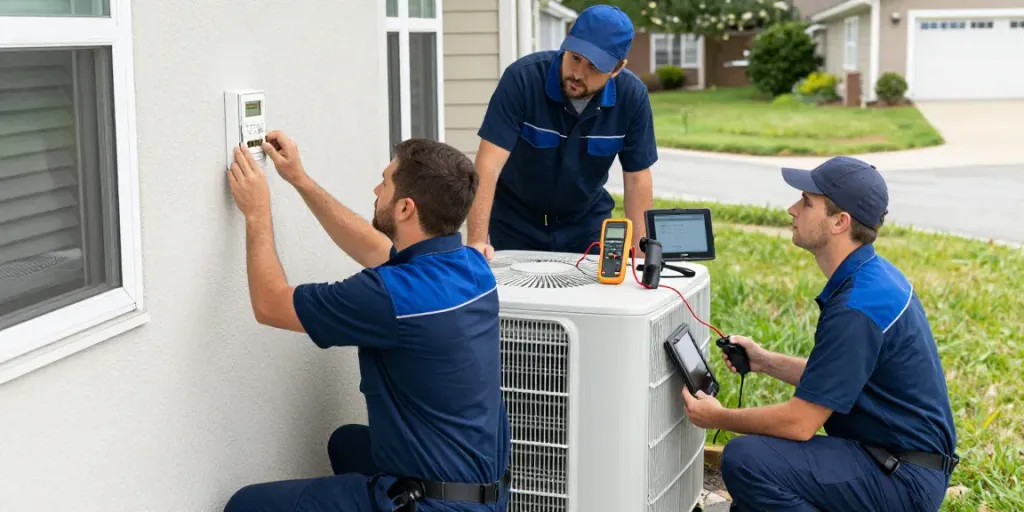
Understanding HVAC Business Software
In today’s competitive market, running an HVAC business effectively requires more than just technical expertise; it demands efficient management tools as well. HVAC Business Software has emerged as an essential solution for professionals in the heating, ventilation, and air conditioning industry. This software integrates various operational functions, enabling businesses to streamline their processes and enhance customer engagement. From scheduling and dispatching to invoicing and customer management, HVAC software solutions offer comprehensive tools to meet the diverse needs of service contractors.
When exploring options, HVAC Business Software provides comprehensive insights into the most effective platforms available, ensuring that companies can select the right solution tailored to their specific requirements.
What is HVAC Business Software?
HVAC business software refers to a suite of digital tools designed specifically for companies operating in the HVAC sector. This software typically encompasses features such as job scheduling, dispatch management, inventory tracking, invoicing, and customer relationship management (CRM). The primary goal is to automate mundane tasks, allowing HVAC technicians and business owners to focus on delivering quality service and driving profitability. By harnessing technology, HVAC software transforms traditionally manual processes into automated workflows, increasing accuracy and efficiency.
Key Features to Look For
Choosing the right HVAC business software involves evaluating several critical features that can directly impact the performance of your business. Key features to consider include:
- Scheduling and Dispatching: Efficiently manage technician schedules and optimize dispatch routes to improve service delivery.
- Billing and Invoicing: Streamline financial processes with automated invoicing, payment tracking, and integration with accounting systems.
- Customer Management: Maintain comprehensive customer profiles for better relationship management and service history tracking.
- Mobile Access: Enable technicians to access job information and customer details on-the-go through mobile applications.
- Inventory Management: Keep track of stock levels, order materials, and manage equipment efficiently to reduce downtime.
Common Misconceptions About HVAC Software
Despite the numerous benefits of HVAC business software, some misconceptions may hinder its adoption. Common misconceptions include:
- Complexity: Many believe that these systems require extensive training to use; however, most modern platforms are designed with user-friendliness in mind.
- High Cost: While some solutions may be pricey, there are affordable options tailored for small businesses that can deliver significant ROI.
- Limited Functionality: Some people think HVAC software cannot adapt to their specific needs, but many solutions offer customization features to tailor the software to individual workflows.
The Benefits of Implementing HVAC Business Software
Enhanced Efficiency and Productivity
Implementing HVAC business software significantly enhances efficiency by automating repetitive tasks. For example, automated scheduling minimizes the risk of double bookings, while digital invoicing accelerates payment cycles. As a result, HVAC professionals find themselves able to manage a higher volume of work without sacrificing quality or customer satisfaction.
Improved Customer Relationship Management
The integration of reliable customer management tools enables HVAC companies to nurture relationships effectively. Historical job data, customer preferences, and service reminders can be accessed easily, allowing technicians to deliver personalized service that builds trust and loyalty. When customers feel valued, they are more likely to recommend services to others.
Real-time Data and Reporting Capabilities
With HVAC business software, data becomes actionable. Real-time reports provide insights into operational performance, customer satisfaction levels, and financial health. This access to critical data allows business leaders to make informed decisions, forecast trends, and identify areas for improvement, ultimately driving profitability.
Choosing the Right HVAC Business Software
Criteria for Selection
When selecting HVAC business software, it’s crucial to consider specific criteria that align with your business’s needs. Begin by assessing the size of your operation, the unique challenges you face, and your budget. Additionally, think about scalability; a system that supports future growth will demonstrate its value over time.
Top Features to Consider
Before making a decision, ensure that the software includes robust scheduling capabilities, customer management tools, and invoicing features, as mentioned earlier. Integration options with existing tools and accounting software can also streamline operations further and minimize disruptions.
Comparison of Popular Software Solutions
Several HVAC software solutions dominate the market, each offering unique features tailored to various business needs. Some popular options include:
- ServiceTitan: Known for its comprehensive service management capabilities.
- Housecall Pro: Offers user-friendly interfaces and mobile access for technicians.
- Jobber: Excels in scheduling, communication, and invoicing.
- FieldEdge: Focuses on field service management features, perfect for on-site technicians.
Best Practices for Implementing HVAC Business Software
Training Your Team for Success
Successful implementation of HVAC business software greatly depends on the readiness of your team. Investing time in training ensures that everyone is comfortable using the system to its full potential. Consider creating training materials and regular refresher courses to keep staff updated on new features and functionality.
Integrating Software with Existing Systems
To maximize the effectiveness of new software, integration with existing systems is essential. Whether it’s the accounting software or customer databases, seamless integration reduces data entry tasks and minimizes errors, enhancing overall productivity.
Monitoring Performance Metrics
After implementing HVAC business software, continuously monitor performance metrics to measure its impact. Key performance indicators (KPIs) such as job completion rates, customer satisfaction scores, and revenue growth should be tracked regularly. This data will help in making necessary adjustments to optimize workflows and achieve business goals.
Future Trends in HVAC Business Software
AI and Automation in HVAC Services
The future of HVAC business software is leaning towards artificial intelligence (AI) and automation, which can significantly enhance service delivery. AI can optimize scheduling by predicting demand, while automation can streamline processes such as invoicing, significantly reducing manual errors.
Cloud-Based Solutions for Flexibility
Cloud-based HVAC software solutions are becoming increasingly popular due to their flexibility and accessibility. With cloud technology, businesses can access data from anywhere, making it easier for technicians to stay connected while in the field.
Preparing for 2026 and Beyond
As we look toward 2026, preparing for advancements in HVAC business software will be crucial. Keeping abreast of technological updates and industry trends will not only benefit operational efficiency but will also help you remain competitive in an ever-evolving marketplace.
What is the best HVAC software for small businesses?
For small businesses, the best HVAC software depends on budget constraints and feature requirements. Solutions like Jobber and Housecall Pro are often recommended due to their affordability and ease of use, making them ideal for smaller operations looking to streamline their processes without incurring significant costs.
What features are essential for HVAC business software?
Essential features of HVAC business software include job scheduling, invoicing, customer management, inventory tracking, and mobile access. Each of these features contributes to improved efficiency and customer satisfaction, making them critical for any HVAC business aiming to thrive.
How can HVAC software improve client satisfaction?
HVAC software enhances client satisfaction by providing timely, efficient service. Features such as real-time job tracking, automated reminders, and easy communication channels help ensure that customers feel cared for and informed throughout their service experience.
What is the cost associated with HVAC business software?
The cost of HVAC business software can vary widely based on the features offered and the size of the business. Monthly subscriptions can range from $50 to over $300, depending on the complexity and scale of the software solutions. Businesses should evaluate the potential return on investment against these costs to make informed decisions.
What are the common challenges in adopting HVAC software?
Common challenges in adopting HVAC software include resistance to change, the learning curve associated with new technology, and integration issues with existing systems. However, with proper training and a phased implementation approach, these challenges can be effectively managed to ensure a smooth transition.