Understanding SMT PCB Assembly Services
Surface Mount Technology (SMT) has revolutionized the landscape of PCB assembly, allowing for efficient production, compact designs, and enhanced electrical performance. In today's fast-paced electronics market, where the demand for smaller and more powerful devices is ever-increasing, SMT PCB assembly services have become essential for manufacturers. This article delves into the nuances of SMT assembly, exploring its advantages, applications, and how to choose the right assembly partner.
What is SMT and its Importance in PCB Assembly?
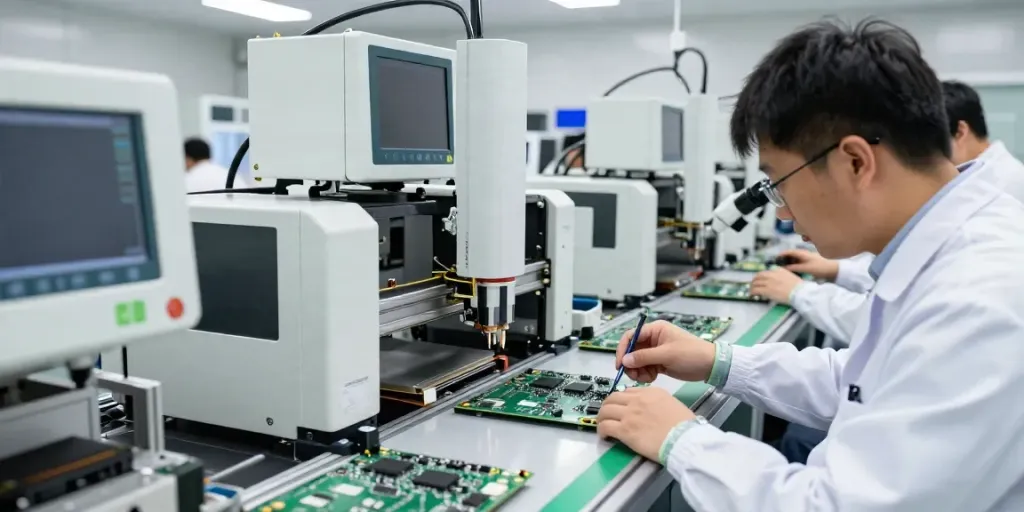
SMT refers to the method of mounting electronic components directly onto the surface of printed circuit boards (PCBs). Unlike traditional through-hole technology, where components are inserted into the board and soldered from the opposite side, SMT allows for components to be mounted on the outer surfaces of the PCB. This technique enables a higher density of components, faster assembly times, and improved performance, making it a pivotal aspect of modern electronics manufacturing.
Key Benefits of SMT PCB Assembly Services
- Space Efficiency: SMT components are generally smaller than their through-hole counterparts, allowing for more compact designs.
- Higher Component Density: The ability to place components on both sides of the PCB results in greater circuit density.
- Improved Performance: Shorter electrical paths reduce signal integrity issues and enhance performance.
- Cost-Effectiveness: Automated SMT assembly lines increase production speed and reduce labor costs.
- Reliability: SMT joints are less susceptible to mechanical fatigue, enhancing the lifespan of electronic devices.
Common Applications of SMT Technology
SMT technology is widely used across various industries, including:
- Consumer Electronics: Smartphones, tablets, and wearable devices utilize SMT for compact and efficient designs.
- Automotive: Advanced Driver Assistance Systems (ADAS) and infotainment systems benefit from the reliability and performance of SMT.
- Medical Devices: Critical medical equipment relies on precision and miniaturization provided by SMT.
- Industrial Equipment: Manufacturing and automation tools use SMT for robust and reliable electronic controls.
Choosing the Right SMT PCB Assembly Partner
When exploring options, SMT PCB assembly services must meet your specific needs. Selecting the right assembly partner can significantly impact your project's success. Here are some critical factors to consider when evaluating potential partners:
Criteria for Evaluating SMT Assembly Service Providers
- Experience: Look for a provider with a proven track record in SMT assembly and relevant industry experience.
- Technology and Equipment: Ensure they utilize the latest SMT assembly technology and equipment for high-quality results.
- Quality Certifications: Verify that the provider holds necessary certifications such as ISO 9001 or IPC standards.
- Production Capabilities: Assess their ability to handle your project volume and complexity, including prototypes and mass productions.
- Customer Support: Reliable customer service can make a difference in addressing concerns and ensuring project success.
Important Questions to Ask Your PCB Assembly Partner
Before finalizing your decision, ask the following questions to ensure alignment with your requirements:
- What is your typical lead time for prototypes and production runs?
- Can you provide samples of previous work or references from past clients?
- What measures do you take to ensure quality control throughout the assembly process?
- How do you handle component sourcing and procurement?
- What is your policy on revisions and modifications during production?
Comparing Costs and Services: What to Look For
Understanding the costs associated with SMT PCB assembly services is crucial. Look beyond just the pricing; consider the value provided:
- Transparent Pricing: Ensure that all costs are clearly outlined, including potential hidden fees.
- Service Range: Evaluate whether they offer additional services such as design assistance, component sourcing, and testing.
- Production Volume: Inquire about pricing for different quantities, as costs may vary significantly between prototypes and large runs.
- Warranty and Support: Understand what warranties or post-assembly support are included in the service.
The SMT PCB Assembly Process Explained
The SMT assembly process involves several critical steps that ensure accuracy and efficiency:
Detailed Steps in SMT PCB Assembly
- Design for Manufacturability (DFM): Ensure that the PCB design is optimized for SMT assembly.
- Component Placement: Automated pick-and-place machines accurately position components on the PCB.
- Solder Paste Application: Solder paste is applied using stencils to ensure precision.
- Reflow Soldering: The PCB is passed through a reflow oven, melting the solder and securing components.
- Inspection: Automated Optical Inspection (AOI) checks for placement accuracy and solder quality.
- Final Testing: Thorough testing follows assembly to ensure functionality and performance.
Quality Control Measures in PCB Assembly
Implementing robust quality control measures is paramount in SMT assembly. This includes:
- In-Process Inspections: Regular audits during production help catch issues early.
- Final Testing: Each assembly should undergo rigorous functional testing to ensure adherence to specifications.
- Documentation: Maintain detailed records of each production run for traceability.
Common Challenges in SMT Assembly and Solutions
While SMT offers numerous advantages, challenges can arise, including:
- Component Placement Accuracy: Inaccurate placements can lead to failures; using advanced pick-and-place machines mitigates this risk.
- Soldering Issues: Inconsistent solder joints may occur; maintaining proper temperature profiles during reflow is essential.
- Component Lead Damage: Overheating can damage sensitive components; using proper soldering techniques and profiles can prevent this.
Best Practices for Effective SMT PCB Assembly
Adopting best practices in SMT PCB assembly can significantly enhance quality and efficiency:
Maintaining Consistency and Quality in Production
- Standard Operating Procedures (SOPs): Develop and adhere to SOPs throughout the assembly process.
- Regular Training: Invest in continuous training for assembly personnel to keep skills updated.
- Use of Automated Systems: Automation can reduce human error and increase efficiency.
Utilizing Technology for Enhanced Efficiency
Employing the latest technology can streamline the SMT assembly process:
- Advanced CAD Software: Use for DFM and to simulate the assembly process before production.
- Automated Testing Equipment: Invest in automated testing solutions to ensure all products meet quality standards.
- ERP Systems: Implement Enterprise Resource Planning systems for better inventory management and production scheduling.
Training and Skill Development for Assembly Teams
Employees play a critical role in the success of SMT assembly. Focus on:
- Hands-On Training: Provide practical training sessions to enhance skill levels.
- Regular Assessments: Conduct evaluations to identify skill gaps and areas for improvement.
- Knowledge Sharing: Encourage communication and knowledge sharing among team members to foster a learning environment.
Future Trends in SMT PCB Assembly Services by 2026
The landscape of SMT PCB assembly services will evolve in response to technological advancements and market demands. Some anticipated trends include:
Emerging Technologies in PCB Assembly
- Automation and AI: The integration of AI in automated assembly lines can optimize processes and reduce costs.
- Advanced Materials: Research into new materials for PCBs can lead to more efficient and reliable electronic devices.
- 3D Printing: Innovations in 3D printing may allow for more complex and integrated designs.
Sustainability Practices in SMT Assembly
As environmental concerns grow, SMT assembly will increasingly focus on sustainability:
- Eco-Friendly Materials: The use of recyclable materials in PCB manufacturing will become more prevalent.
- Energy Efficiency: Production facilities will adopt energy-efficient technologies to reduce carbon footprints.
- Waste Reduction: Implementing lean manufacturing practices to minimize waste during production will be essential.
Predictions for the PCB Assembly Market
By 2026, the PCB assembly market is expected to grow significantly, driven by innovations and increasing demands for electronic devices:
- Growth in Consumer Electronics: Continued innovation in smartphones and wearables will fuel demand for SMT assembly.
- Expansion in Automotive Technology: The rise of electric and autonomous vehicles will necessitate advanced PCB solutions.
- Healthcare Technology Advancements: The demand for sophisticated medical devices will drive the need for high-quality PCB assemblies.
What are the costs associated with SMT PCB assembly?
Costs can vary based on several factors, including component complexity, volume, and assembly specifications. It's essential to obtain detailed quotes from potential assembly partners to understand the pricing structure.
How does SMT improve PCB assembly efficiency?
SMT enhances efficiency by allowing for faster assembly times, reduced component sizes, and the ability to use automated processes, all contributing to lower production costs.
What are the benefits of using professional SMT PCB assembly services?
Utilizing professional services ensures high-quality assembly, access to advanced technology, and expertise in processes, which can lead to more reliable and efficient electronic products.
What common issues arise in PCB assembly?
Common issues include misaligned components, solder defects, and damage to sensitive parts. Implementing robust quality control measures can help mitigate these risks.
Can I get prototype SMT PCB assembly services?
Yes, many SMT assembly service providers offer prototype services, allowing businesses to develop and test their designs before moving to mass production.