Understanding CNC Machining in Aerospace Manufacturing
CNC (Computer Numerical Control) machining has revolutionized the aerospace industry, enabling manufacturers to produce highly precise parts required for the complex demands of modern aircraft. This technology facilitates both rapid prototyping and mass production, making it an essential component in the development of aerospace components. Since 2003, Honscn has positioned itself among the leading aerospace cnc parts manufacturers, providing professional CNC machining services that cater to the specific needs of clients in this highly regulated sector.
What is CNC Machining?
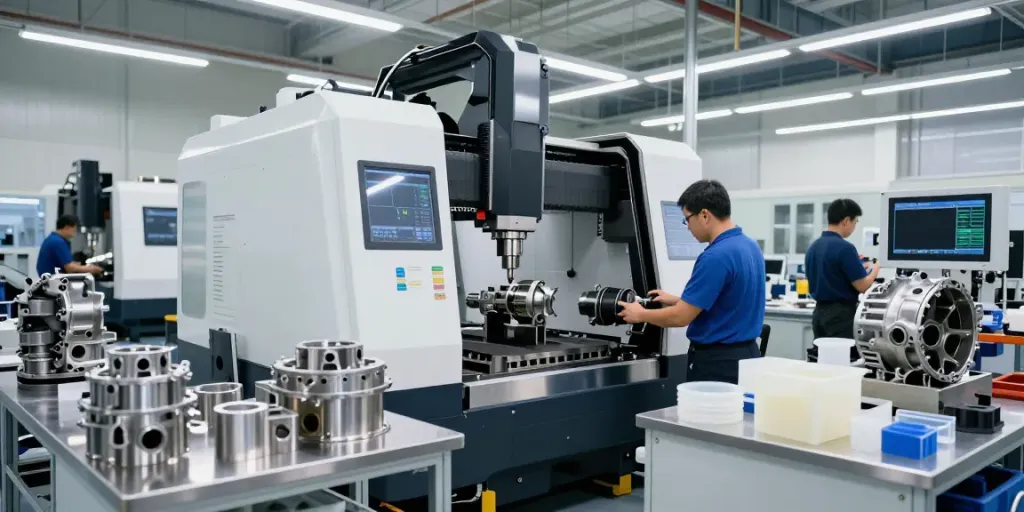
CNC machining is a manufacturing process that involves the use of computerized controls to operate tools and machinery, such as drills, lathes, and mills. In aerospace, this technology is essential for crafting complex geometries and maintaining tight tolerances. The process typically begins with a digital design, which is then translated into machine commands that dictate the movements of the tools. This method ensures consistent quality and precision across all parts produced, which is critical in applications where safety is a priority.
Importance of Precision in Aerospace Components
The aerospace industry demands the highest levels of precision due to the critical nature of aircraft components. Even the slightest deviation can have catastrophic consequences. Hence, leading aerospace CNC parts manufacturers focus on strict adherence to quality standards, such as AS9100, which governs the quality management systems in aerospace manufacturing. Precision in machining ensures that components fit together correctly and function as intended, which is vital for the safety and reliability of air travel.
Types of CNC Machines Used in Aerospace
Aerospace manufacturers utilize a variety of CNC machines, each designed for specific applications. Some commonly used machines include:
- CNC Milling Machines: Ideal for creating complex shapes and surfaces.
- CNC Lathes: Used primarily for cylindrical parts, such as shafts.
- 5-Axis CNC Machines: Capable of producing intricate components with bevels and complex angles, allowing for remarkable flexibility.
- Electrical Discharge Machines (EDM): Often employed for creating high-precision parts from hard materials.
Key Advantages of Working with Leading Aerospace CNC Parts Manufacturers
The choice of partnering with experienced aerospace CNC manufacturers provides several strategic advantages that can significantly improve project outcomes.
Reduced Production Time and Costs
One of the most significant benefits of CNC machining is its ability to reduce both production time and costs. With the automated processes involved in CNC machining, manufacturers can streamline production workflows, resulting in quicker turnaround times without sacrificing quality. This efficiency is particularly important in the aerospace sector, where development cycles can be lengthy and costly.
High Quality and Accuracy Standards
Leading aerospace CNC parts manufacturers maintain rigorous quality control processes to ensure that every part produced meets stringent aerospace standards. This is achieved through meticulous inspection and testing protocols that adhere to regulatory requirements. High-quality parts lead to fewer failures during testing and operation, enhancing the overall safety of aerospace applications.
Ability to Handle Complex Designs
Aerospace components are often characterized by their complexity, requiring advanced machining capabilities. CNC technology allows manufacturers to produce intricate designs that would be impossible to create with traditional methods. The flexibility of CNC machining means that manufacturers can easily adapt designs and make adjustments as needed, promoting innovation in aerospace development.
Materials and Technologies in Aerospace CNC Machining
The success of CNC machining in the aerospace sector is also attributed to the wide range of materials and technologies that can be utilized. Understanding these materials is crucial for manufacturers aiming to produce high-performance components.
Common Metal Materials in Aerospace Components
In aerospace manufacturing, metal materials are preferred for their strength and durability. Some of the most commonly used metals include:
- Aluminum: Lightweight yet strong, commonly used in airframes and components.
- Titanium: Highly resistant to corrosion, ideal for parts exposed to extreme conditions.
- Stainless Steel: Offers excellent strength and corrosion resistance, used in various applications.
- Nickel Alloys: Often used in engine components due to their high-temperature durability.
Plastic Materials Used in Aerospace Manufacturing
While metals dominate aerospace manufacturing, various plastic materials are also instrumental in producing specific components. Commonly used plastics include:
- Polycarbonate (PC): Known for its impact resistance, often used in cockpit windows.
- Acrylic (PMMA): Utilized in applications where transparency and light weight are essential.
- Polyether Ether Ketone (PEEK): A high-performance plastic used in demanding environments.
- Polyamide (PA): Valued for its strength and thermal stability.
Emerging Technologies in CNC Machining for Aerospace
As technology advances, new machining techniques and technologies are emerging that are poised to transform aerospace manufacturing. Some noteworthy trends include:
- Hybrid Manufacturing: Combines additive and subtractive manufacturing methods to produce complex parts.
- Automation and Robotics: Further automating the machining process to increase efficiency and reduce human error.
- Advanced Materials: Research into new alloys and composites that enhance performance without increasing weight.
Case Studies: Successful Aerospace Projects with CNC Machining
Real-world examples of successful projects highlight the capabilities of CNC machining in aerospace applications.
Rapid Prototyping Success Stories
Many leading aerospace firms have leveraged CNC machining for rapid prototyping, allowing them to test and iterate designs quickly. The ability to create functional prototypes in a fraction of the time compared to traditional methods has enabled faster design cycles, which is critical in the highly competitive aerospace industry.
Mass Production Efficiency Examples
Several aerospace manufacturers have reported significant efficiency gains in mass production through the adoption of CNC technology. By streamlining workflows and minimizing waste, these companies have been able to reduce costs while maintaining high-quality outputs, exemplifying the economic benefits of precision machining.
Real-world Challenges Overcome through CNC Machining
One notable challenge in aerospace manufacturing is the production of parts with intricate geometries that are difficult to machine with traditional methods. CNC machining has provided solutions to these challenges, enabling manufacturers to meet design specifications that would otherwise be unachievable.
Future Trends in Aerospace CNC Machining
As we look toward the future, several trends are expected to shape the landscape of aerospace CNC machining.
Technological Innovations on the Horizon for 2026
Advancements in AI and machine learning algorithms are poised to optimize CNC machining processes further. These technologies will enhance predictive maintenance, reducing downtime and increasing production efficiency.
Sustainability in Aerospace Manufacturing
With growing concerns about environmental impact, manufacturers are turning to sustainable practices, including recycling scrap materials and minimizing waste during production. The use of biodegradable materials is also gaining traction in certain aerospace applications.
Potential Challenges Facing the Industry
Despite the advancements in technology, the aerospace industry faces challenges such as supply chain disruptions and the need for skilled labor. Addressing these challenges will require collaboration between manufacturers, suppliers, and educational institutions to ensure a skilled workforce for the future.
How Leading Manufacturers Are Preparing for 2026?
To remain competitive, leading aerospace CNC parts manufacturers are investing in cutting-edge technologies and workforce training. By focusing on innovation and sustainability, these companies are positioning themselves to meet future demands while maintaining high standards of quality and performance.