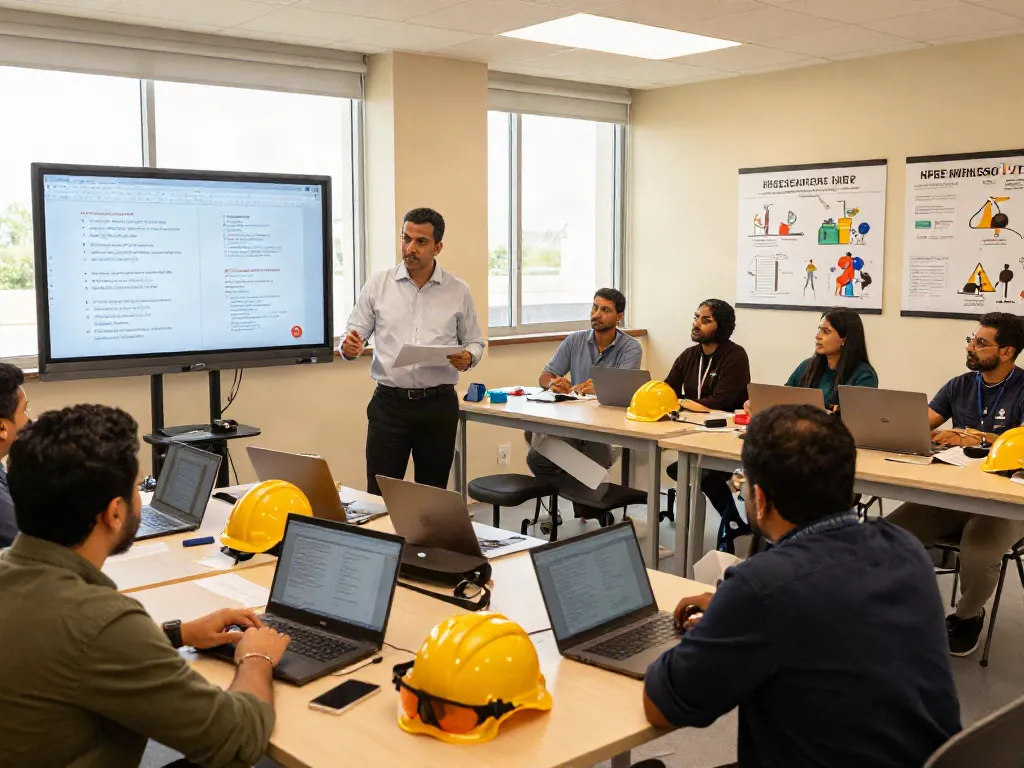
Understanding the Role of a Training Institute in Saudi Arabia
In the rapidly evolving landscape of health, safety, and environmental (HSE) management, the significance of dedicated training institutes cannot be overstated. These institutes serve as pivotal entities in equipping professionals with the necessary skills and knowledge to navigate complex regulatory environments, comply with international standards, and enhance workplace safety. As industries in Saudi Arabia, such as oil & gas and construction, continue to expand, ensuring a well-trained workforce is crucial for maintaining operational excellence and safety compliance. When exploring options, Training Institute Saudi Arabia provides comprehensive insights into various professional training programs available across the kingdom.
What Makes a Training Institute Effective?
An effective training institute is characterized by a well-structured curriculum that aligns with both local and international standards. The course content should be regularly updated to reflect the latest industry practices and compliance regulations. In addition, experienced trainers who possess relevant field experience are essential to impart practical knowledge to students. Institutes should also offer flexible learning schedules, including online, on-site, and blended courses, to accommodate the varying needs of professionals.
The Importance of HSE Training in Various Industries
Health, Safety, and Environmental (HSE) training is critical across various sectors, including construction, healthcare, manufacturing, and oil and gas. Each industry faces unique challenges that require tailored training solutions. For instance, construction workers must understand fall protection and site safety, while healthcare professionals may need in-depth training in infection control and emergency preparedness. Consequently, investing in HSE training not only fosters a safer work environment but also enhances overall productivity and compliance with legal requirements.
Regulatory Standards and Compliance in Saudi Arabia
Saudi Arabia has established a robust framework of regulations to ensure workplace safety and environmental protection. The Saudi Arabian government mandates compliance with regulations set forth by organizations such as the Ministry of Human Resources and Social Development (HRSD) and the Saudi Arabian Standards Organization (SASO). Training institutes play a vital role in educating professionals about these regulations, ensuring that companies remain compliant and avoid penalties associated with non-compliance.
Types of HSE Courses Offered by Training Institutes
NVQ and ProQual Diplomas: Overview and Benefits
National Vocational Qualifications (NVQs) and ProQual diplomas are among the most recognized qualifications in the HSE sector. NVQ Level 6, for example, focuses on occupational health and safety practice, preparing participants for advanced roles in safety management. ProQual diplomas, such as the Level 7 Diploma in Strategic Health and Safety Leadership and Management, provide comprehensive training in leadership and strategic planning for safety initiatives. These qualifications not only enhance individual career prospects but also foster a culture of safety within organizations.
Certifications for Safety Professionals: What to Expect
Various certifications are available for safety professionals, including IOSH Managing Safely and certifications from the National Fire Protection Association (NFPA). These certifications cover essential topics such as hazard identification, risk assessment, and emergency response planning. Participants can expect a mix of theoretical knowledge and practical skills, often culminating in assessments that ensure comprehension and retention of the material learned.
Customized Training Programs for Corporate Clients
Training institutes in Saudi Arabia often provide customized training solutions tailored to the specific needs of corporate clients. This approach allows organizations to address unique safety challenges and compliance requirements, ensuring that training is relevant and immediately applicable. Customized programs can range from on-site workshops to webinars, accommodating different learning preferences while reinforcing a commitment to safety and skill development.
Choosing the Right Training Institute in Saudi Arabia
Key Factors to Consider When Selecting a Training Provider
When evaluating training institutes, consider several critical factors, including accreditation, course offerings, and training delivery methods. It is essential to ensure that the institute is recognized by relevant industry bodies and that its instructors have both academic qualifications and practical experience. Additionally, flexibility in scheduling and the ability to tailor courses to specific business needs are also vital for maximizing training effectiveness.
Comparison of Popular Training Institutes
Several training institutes in Saudi Arabia, such as Burraq Consulting, Asas Training, and Leon Training, offer a variety of HSE courses. Comparing these institutions in terms of course availability, instructor qualifications, and student support services can help potential students or corporate clients make informed decisions. Look for institutes that have a proven track record of successful outcomes and positive client testimonials.
Client Testimonials and Success Stories
Hearing from past students or client organizations can provide valuable insights into the effectiveness of a training institute. Many successful professionals share their career advancements and achievements that can be traced back to their training experiences. Such testimonials not only demonstrate the quality of training but also highlight how HSE education can directly impact safety culture and operational success within companies.
Innovative Training Techniques and Technologies
Interactive Learning: Blending Real-world Applications with Theory
Modern training institutes are increasingly adopting innovative teaching methodologies that incorporate interactive learning experiences. These approaches combine theoretical knowledge with real-world applications, allowing trainees to engage in simulations and case studies. Such immersive learning experiences enable participants to apply concepts in practical scenarios, improving retention and understanding.
The Role of Online Learning in HSE Education
As technology continues to evolve, online learning has become a vital component of HSE education. Many training institutes now offer comprehensive online courses and modules that provide flexibility for working professionals. This format allows students to access training materials at their convenience, participating in live webinars or accessing recorded sessions as needed. Furthermore, online platforms can facilitate discussions and collaborations among peers from various industries, enriching the learning experience.
Future Trends in Safety Training and Certification
The future of HSE training is likely to be influenced by advancements in technology, such as virtual reality (VR) and augmented reality (AR). These technologies can create immersive training simulations that enhance situational awareness and decision-making skills. Additionally, there is a growing emphasis on soft skills training, focusing on communication, teamwork, and leadership within safety contexts. Keeping abreast of these trends will be crucial for training institutes to remain relevant and effective in preparing professionals for the evolving challenges of HSE management.
Maximizing the Value of Your HSE Training Experience
How to Prepare for HSE Training Programs
To maximize the value of HSE training, participants should prepare in advance by reviewing course materials and familiarizing themselves with relevant industry standards. Setting clear personal goals for what to achieve from the training can also enhance engagement and focus. Consider engaging with peers or mentors who have completed similar programs to gain insights and tips for success.
Measuring the Success of Your Training Outcomes
Assessing the effectiveness of HSE training is essential for continuous improvement. Organizations should establish key performance indicators (KPIs) related to safety metrics, such as incident rates and compliance levels, before and after training. Regular feedback from participants can also provide insights into the training's relevance and effectiveness, helping institutes refine their offerings.
Long-term Career Benefits of HSE Certifications
Investing in HSE certifications can yield significant long-term career benefits, including increased employability, potential for higher earnings, and opportunities for advancement into leadership roles within safety management. As industries continue to prioritize safety and compliance, possessing recognized qualifications will set professionals apart in a competitive job market.
What are the benefits of HSE training?
HSE training offers numerous benefits, including reduced workplace accidents, enhanced compliance with regulations, and improved overall employee morale. By fostering a culture of safety, organizations can not only protect their staff but also enhance their reputation and productivity.
How can I customize my training experience at a Saudi training institute?
Many training institutes provide the option to tailor training programs according to specific organizational needs, ensuring that the content is relevant and applicable to existing challenges within the workplace.
What certifications are recognized internationally in Saudi Arabia?
Several international certifications, such as those from IOSH, NEBOSH, NFPA, and ProQual, are widely recognized in Saudi Arabia, enhancing the career prospects of professionals who obtain them.
How does HSE training improve workplace safety?
HSE training improves workplace safety by equipping employees with the knowledge and skills necessary to identify hazards, assess risks, and implement effective control measures, leading to a safer work environment.
What is the cost of HSE training courses in Saudi Arabia?
The cost of HSE training courses in Saudi Arabia varies depending on the institute, course duration, and content. However, many institutes offer competitive pricing and customized packages for organizations.