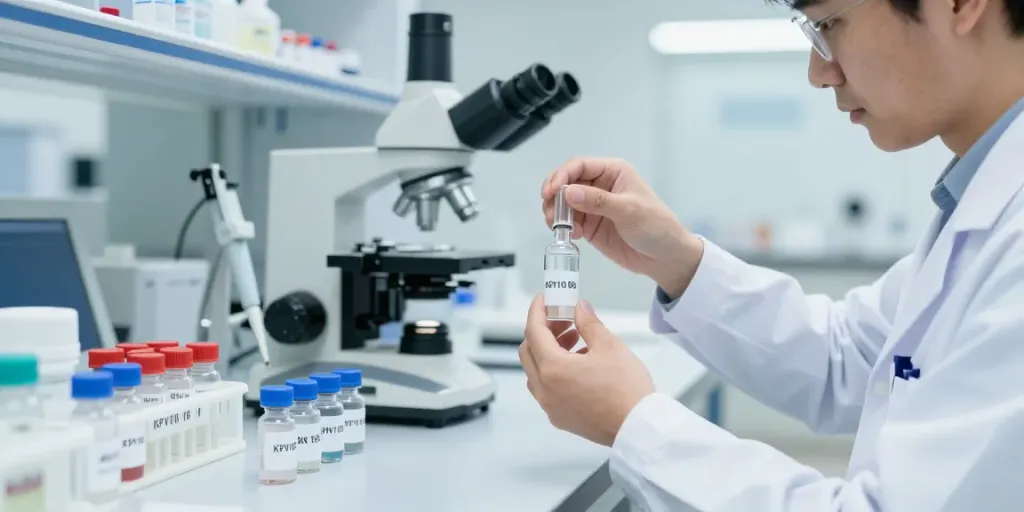
Understanding KPV10: The Basics
KPV10 is a synthetic peptide that has gained considerable attention in the fields of biomedical research and therapeutic applications. Comprising the amino acids lysine, proline, and valine, KPV10 is a tripeptide derived from the C-terminal region of alpha-melanocyte stimulating hormone (α-MSH). Its unique composition positions it as a vital candidate for inflammation control and immune modulation. As researchers delve deeper into its properties, the peptide is being explored for various applications, particularly in studies focused on immune function and wound healing. When exploring options, kpv10 provides comprehensive insights into its formulation and applications.
What is KPV10 and Its Composition?
KPV10 is structured as a tripeptide with a molecular formula that emphasizes its role in biochemistry. The peptide is made of three essential amino acids: lysine (Lys), proline (Pro), and valine (Val). This particular arrangement contributes to its biological activity, engaging specific receptors in the body that modulate inflammatory responses. The synthesis of KPV10 in laboratory settings enables researchers to utilize it in controlled studies, fostering advancements in peptide research.
Key Benefits of KPV10 Peptide for Research
- Anti-Inflammatory Properties: KPV10 is primarily noted for its ability to reduce inflammation, making it a valuable asset in studies relating to chronic inflammatory conditions.
- Immune Modulation: It has shown potential in modulating immune responses, which could be crucial for developing therapies targeting autoimmune diseases.
- Wound Healing: Preliminary research indicates KPV10 may enhance wound healing by promoting cell growth and repair mechanisms.
- Safety Profile: KPV10 is generally considered safe for laboratory use, providing a pathway for further exploration without the adverse effects often seen in traditional anti-inflammatory drugs.
Common Applications in Biomedical Studies
KPV10 has versatile applications in biomedical research, including:
- Cancer Research: Investigating its effects on tumor growth and metastasis.
- Gastroenterology: Exploring its role in gut health and inflammatory bowel diseases.
- Dermatology: Examining its efficacy in skin regeneration and repair.
- Neurobiology: Understanding its impact on neuroinflammation and potential neuroprotective effects.
Mechanism of Action
How KPV10 Affects Inflammatory Pathways
The action of KPV10 primarily revolves around its interaction with melanocortin receptors. These receptors are crucial in regulating biological functions, including inflammation and immune responses. Upon binding to these receptors, KPV10 initiates a cascade of biochemical signals that lead to reduced expression of pro-inflammatory cytokines. This mechanism is particularly beneficial for conditions associated with chronic inflammation, such as arthritis or inflammatory bowel diseases.
Role of KPV10 in Immune Modulation
KPV10 is not merely an anti-inflammatory agent; it also serves as an immune modulator. By influencing the activity of specific immune cells, like T-cells and macrophages, KPV10 can help in balancing immune responses. This characteristic could pave the way for new therapeutic approaches in treating autoimmune disorders, where the immune system is overly active and damaging to the body's tissues.
Comparative Analysis with Other Peptides
When compared to other peptides such as BPC-157 or TB-500, KPV10 stands out for its specificity in targeting inflammatory pathways. While other peptides offer broader therapeutic effects, KPV10's focused action can be advantageous in clinical settings that require precise modulation of inflammation and immune responses. This comparative analysis underscores the need for tailored approaches in peptide therapy.
Dosage and Administration Guidelines
Recommended Dosage for Lab Studies
For research purposes, the recommended dosage of KPV10 can vary depending on the specific application and study design. Typically, doses in the range of 1-10 mg per kilogram of body weight are used in animal models. Researchers must adhere to ethical guidelines and establish appropriate dosing protocols to ensure safety and efficacy.
Administration Methods for Best Results
KPV10 can be administered through various routes, including subcutaneous injections or intravenous administration, depending on the research requirements. Each method has its advantages; for instance, subcutaneous injections may provide a gradual absorption of the peptide, potentially leading to prolonged effects.
Potential Side Effects and Precautions
- Minor Reactions: Some subjects may experience mild reactions at the injection site, such as redness or swelling.
- Long-term Effects: The long-term safety profile of KPV10 is still under investigation; hence, researchers should monitor subjects closely during studies.
- Contraindications: Caution should be exercised when KPV10 is administered to individuals with known allergies to peptides or specific amino acids.
KPV10 in Current Research Trends
Recent Studies Highlighting KPV10 Benefits
The latest research studies have highlighted the multi-faceted benefits of KPV10, particularly its role in modulating inflammation and promoting healing processes. For example, a recent study demonstrated KPV10's potential in reducing symptoms of inflammatory bowel disease in animal models, indicating its promise in gastroenterological applications.
Future Directions in KPV10 Research
Future research may focus on broader testing phases, including human trials to ascertain the peptide's efficacy in clinical settings. Additionally, investigations into combination therapies involving KPV10 and other therapeutic agents are likely to provide deeper insights into its potential.
Challenges Facing KPV10 Implementation in Labs
Despite its potential, the implementation of KPV10 in laboratory settings faces challenges, including regulatory hurdles and the need for comprehensive safety data. Addressing these challenges will be crucial for advancing its applicability in clinical research and beyond.
FAQs about KPV10
What is KPV peptide good for?
KPV peptide has shown promise in research concerning immune modulation, inflammation reduction, and wound healing, making it relevant for various therapeutic explorations.
Who should not take KPV peptide?
Individuals with allergies to peptides or specific amino acids should avoid using KPV. Furthermore, pregnant or nursing women and those with underlying health conditions should consult a healthcare provider before use.
How long does KPV peptide take to work?
The onset of action for KPV can vary depending on dosage and administration method, but initial effects may be observed within a few days of administration in research settings.
How much KPV peptide should I take?
The appropriate dosage of KPV largely depends on the experimental design and should be determined by qualified researchers following ethical guidelines for laboratory practices.
Where can I purchase KPV10 for research?
KPV10 can be procured from specialized peptide suppliers, ensuring that the products meet the required purity and quality standards for laboratory research.