Understanding Water Reclaim Systems
As the global demand for fresh water continues to grow, the importance of water reclamation systems has become increasingly apparent. These systems are designed to recycle and purify wastewater, transforming it into a resource that can be reused for various applications ranging from irrigation to industrial processes. One such solution is the Water Reclaim System, which offers a compact and efficient method to conserve precious water resources.
What is a Water Reclaim System?
A water reclaim system utilizes advanced technologies to treat and recycle wastewater. The primary goal is to remove contaminants and impurities, allowing for the safe reuse of water in agricultural, industrial, and municipal applications. These systems can range from large-scale plants to smaller, modular units designed for specific site requirements. By integrating processes such as membrane filtration, biological treatment, and chemical disinfection, these systems ensure that reclaimed water meets the necessary safety and quality standards.
Benefits of Water Reclamation
Water reclamation offers numerous benefits that extend beyond just reducing fresh water consumption. Some of the most significant advantages include:
- Environmental Conservation: By recycling water, reclamation systems help preserve natural water bodies and reduce the strain on freshwater sources.
- Cost Savings: Utilizing reclaimed water can lead to substantial savings on water bills, especially for industries with high water usage, such as agriculture and manufacturing.
- Regulatory Compliance: Many regions impose strict regulations on water usage and wastewater disposal. Implementing a water reclaim system can help organizations comply with these regulations.
- Sustainability Goals: Reclamation aligns with sustainability efforts by promoting responsible water use and reducing overall environmental impact.
Types of Water Reclaim Systems
Water reclaim systems can be categorized based on the processes used and their specific applications:
- Membrane Bioreactor (MBR): This technology combines biological treatment with membrane filtration, offering efficient removal of pollutants and pathogens.
- Ultrafiltration (UF): UF systems filter out larger particles and bacteria, making them suitable for pre-treatment before reverse osmosis.
- Reverse Osmosis (RO): RO systems use high pressure to force water through semi-permeable membranes, effectively removing dissolved solids and impurities.
- Constructed Wetlands: This natural approach utilizes wetland plants and microorganisms to treat wastewater, providing an eco-friendly solution for water reclamation.
Key Technologies in Water Reclaim Systems
The effectiveness of a water reclaim system largely depends on the technologies employed within it. Modern reclamation methods often combine several advanced processes to achieve optimal results.
Membrane Bioreactor (MBR) Technology
Membrane Bioreactor (MBR) technology integrates biological treatment and membrane filtration into a single process. It involves the use of microorganisms to break down organic matter while simultaneously filtering out suspended solids. The benefits of MBR technology include:
- High-quality effluent suitable for various reuse applications.
- Compact design that requires less space compared to conventional treatment systems.
- Reduction of sludge production, leading to lower disposal costs.
Ultrafiltration (UF) Process
Ultrafiltration is a membrane filtration process that removes particles, bacteria, and viruses from water, producing a high-quality filtrate. UF systems are particularly useful as a pre-treatment step for RO, enhancing overall system efficiency. Key advantages include:
- Effective removal of pathogens and larger organic molecules.
- Minimal chemical usage, promoting environmentally friendly operations.
- Lower energy consumption compared to other filtration methods.
Reverse Osmosis (RO) Applications
Reverse Osmosis is a widely used technology in water reclamation due to its high efficiency in removing dissolved salts and impurities. By applying pressure to force water through a semi-permeable membrane, RO systems can produce water of exceptional purity. Some notable applications include:
- Desalination for agricultural and industrial use.
- High-quality water production for drinking and food processing.
- Recovery of valuable resources from wastewater.
Implementation Strategies for Effective Water Reclamation
Establishing a successful water reclaim system requires careful planning and execution. Here are several strategies to ensure effective implementation:
Assessing Site Requirements
Before selecting a water reclaim system, it's crucial to assess the specific needs of the site. Factors to consider include:
- Volume and composition of the wastewater generated.
- Local regulations governing wastewater treatment and reuse.
- Infrastructure availability for system installation and operation.
Choosing the Right System
With various technologies available, choosing the right water reclaim system is essential. Considerations include:
- Desired water quality for intended reuse applications.
- Space constraints and layout of the facility.
- Budgetary limits and expected return on investment.
Installation and Maintenance Best Practices
Proper installation and maintenance are vital to the long-term success of water reclaim systems. Best practices include:
- Engaging experienced professionals for installation to ensure compliance with regulatory standards.
- Regular maintenance schedules to prevent system downtime and ensure optimal performance.
- Monitoring water quality and system performance to identify and address potential issues early.
Case Studies: Successful Water Reclaim System Deployments
Understanding real-world applications of water reclaim systems can provide valuable insights into their effectiveness and versatility. Here are several notable case studies:
Municipal Applications
Several cities worldwide have successfully implemented water reclaim systems to address water scarcity challenges. For example, the city of Windhoek in Namibia utilizes reclaimed wastewater for drinking purposes, showcasing the potential for safe, potable reuse. Similar initiatives have emerged in California, where municipal systems recycle wastewater for landscape irrigation and industrial use.
Industrial Scale Implementations
Industries such as food and beverage manufacturing, textiles, and chemical processing are increasingly adopting water reclaim systems to minimize water consumption and reduce operational costs. A notable case is a beverage manufacturer in Canada that invested in a modular water reclaim system, resulting in a 30% reduction in freshwater usage and significant savings in wastewater disposal fees.
Remote Facility Solutions
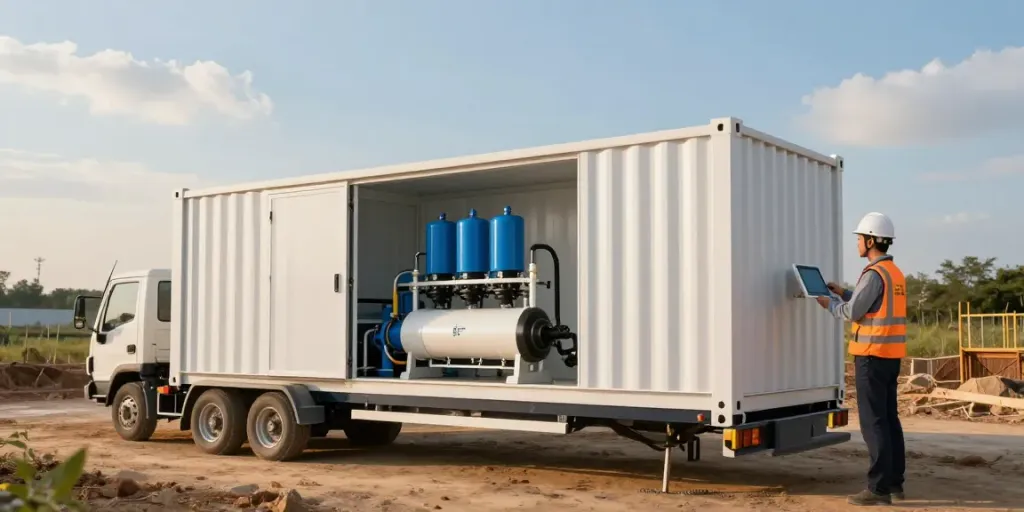
In remote areas where water supply is limited, containerized water reclaim systems have proven invaluable. These portable units can be rapidly deployed to provide essential water treatment services for construction sites, mining operations, and emergency response scenarios. A mining company in Australia utilized a containerized reclaim system during drought conditions, ensuring a reliable water supply for operations and minimizing environmental impacts.
Future Trends in Water Reclaim Technology (2026 and Beyond)
As the field of water reclamation continues to evolve, several trends are expected to shape its future:
Emerging Technologies and Innovations
Advancements in technology will further enhance the efficiency and effectiveness of water reclaim systems. Innovations in sensor technology, AI-driven monitoring, and advanced materials for membranes are set to improve system performance and reduce operational costs.
Regulatory Trends Impacting Water Reclamation
As awareness of water scarcity issues rises, regulatory bodies are likely to enforce stricter guidelines for water reuse. Staying ahead of these regulatory changes will be essential for organizations looking to implement water reclaim systems.
Environmental Impact and Sustainability Goals
The drive toward sustainability will continue to influence the adoption and development of water reclaim systems. As industries and municipalities strive to meet global sustainability targets, the demand for innovative water reclamation solutions will grow.
What is the cost of a water reclaim system?
The cost of a water reclaim system can vary widely based on factors such as the technology used, system capacity, and installation requirements. On average, organizations can expect to invest between $50,000 to $500,000 for a fully operational system. However, the long-term savings and benefits often outweigh the initial investment.
How do water reclaim systems work?
Water reclaim systems function by treating wastewater through a series of processes, including physical filtration, biological treatment, and advanced membrane separation. The result is high-quality reclaimed water that can be safely reused for various applications.
Are water reclaim systems environmentally friendly?
Yes, water reclaim systems are designed to minimize environmental impact by recycling wastewater and reducing the reliance on freshwater resources. They contribute to sustainability efforts and help preserve natural ecosystems.
What are the common applications for reclaimed water?
Reclaimed water is commonly used for irrigation, industrial processes, toilet flushing, and cooling systems. In some cases, it is treated to potable standards for direct human consumption.
How to choose the right water reclaim system for my needs?
When selecting a water reclaim system, consider your specific needs, including the volume and type of wastewater, intended reuse applications, site constraints, and budget. Consulting with experts can also provide valuable insights into the best options for your situation.