Understanding Pre Nursery Education in Singapore
Pre nursery education plays a crucial role in shaping a child's early developmental journey. This formative stage, typically catering to children aged 18 months to 3 years, focuses on nurturing essential skills through interactive and engaging experiences. A critical aspect of pre nursery education in Singapore is its emphasis on holistic development, where cognitive, emotional, social, and physical growth are all prioritized. When exploring options, pre nursery Singapore offers various programs that align with these educational philosophies, ensuring that children are well-prepared for the next stages of their education.
What is Pre Nursery?
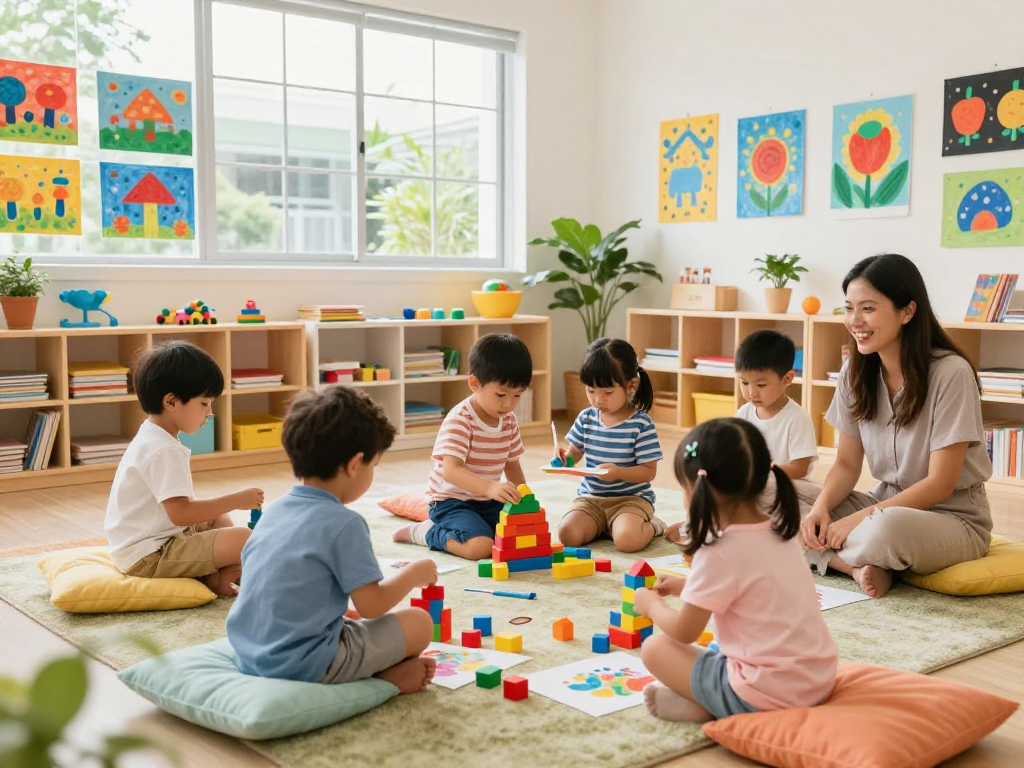
Pre nursery, often referred to as toddler education, initiates the educational pathway for young learners. It serves as an introductory phase where children can explore their environment in a structured setting while developing foundational skills. The curriculum typically includes a mix of play-based and inquiry-based learning, allowing children to learn through exploration and curiosity.
Importance of Early Learning
The significance of early learning cannot be overstated; research has consistently highlighted the impact of quality early childhood education on later academic success. Children who engage in pre nursery programs often demonstrate enhanced cognitive abilities, improved language skills, and better social interactions. By fostering a love for learning at an early age, pre nursery education equips children with the tools they need to thrive in their future academic endeavors.
Pre Nursery vs Traditional Early Education
Unlike traditional early education methods that may rely heavily on rote memorization, pre nursery education emphasizes active learning through play and inquiry. This child-centered approach allows for greater engagement and retention of knowledge, as children are encouraged to ask questions and explore their interests. The flexibility of pre nursery programs means that educators can adapt activities to meet the unique needs and developmental stages of each child.
Key Features of Effective Pre Nursery Programs
To ensure that pre nursery programs are effective, there are several key features that should be present, encompassing various educational strategies and philosophies.
Inquiry-Based Learning Approaches
Inquiry-based learning is at the heart of effective pre nursery programs. This approach encourages children to ask questions and explore topics that interest them. Through guided exploration, children develop critical thinking skills and learn to approach problems with curiosity and creativity. Programs that utilize inquiry-based learning not only make education enjoyable but also foster a deeper understanding of the subject matter.
Parental Involvement in Education
Parental involvement plays a vital role in the success of pre nursery education. Engaging parents in their child's learning process enhances the educational experience and reinforces the concepts learned at school. Effective programs often include parent-teacher collaborations, workshops, and regular communication to keep parents informed and involved in their child’s development.
Curriculum Designed for Holistic Development
An effective pre nursery curriculum focuses on holistic development, addressing cognitive, social, emotional, and physical growth. Activities should promote language skills, creativity, and physical coordination, while also fostering empathy, cooperation, and communication skills among peers. This multi-faceted approach creates a well-rounded educational experience that prepares children for future learning.
Challenges Parents Face in Choosing a Pre Nursery
While the benefits of pre nursery education are clear, parents often encounter several challenges when selecting an appropriate program for their child.
Finding Quality Childcare Options
One of the most daunting tasks for parents is identifying quality childcare options that align with their educational philosophy. With numerous preschools and childcare centers available, it can be overwhelming to differentiate between programs based on their curriculum, values, and teaching methods.
Understanding Different Educational Philosophies
Educational philosophies can vary significantly among pre nursery programs. Understanding these differences—such as Montessori, Reggio Emilia, or traditional models—is essential for parents to select a program that aligns with their values and expectations for their child’s education.
Balancing Work and Childcare Needs
Parents must often navigate the delicate balance between work commitments and childcare needs. Flexible program hours, extended care options, and supportive staff can alleviate some of these challenges, allowing parents to feel at ease about their child’s well-being during work hours.
Trends Shaping Pre Nursery Education in 2026
As we look towards the future, several trends are emerging in the realm of pre nursery education, influencing how programs are designed and delivered.
Integration of Technology in Learning
The integration of technology in early childhood education is becoming increasingly prominent. Interactive learning tools, digital storytelling, and educational apps can enhance children’s engagement and understanding of various concepts, provided they are used appropriately and in moderation.
Focus on Social and Emotional Learning
There is a growing recognition of the importance of social and emotional learning (SEL) within pre nursery programs. SEL aims to cultivate emotional intelligence, resilience, and interpersonal skills, equipping children to navigate their social environments effectively.
Growing Importance of Trilingual Programs
As Singapore is a multicultural society, the demand for trilingual education is increasing. Programs that offer instruction in multiple languages—such as English, Mandarin, and Japanese—prepare children for a globalized world, enhancing their adaptability and cultural appreciation.
Benefits of Enrolling in a Quality Pre Nursery
Choosing a quality pre nursery program provides numerous advantages that extend beyond immediate academic readiness.
Long-Term Academic Success
Children who attend high-quality pre nursery programs are more likely to experience long-term academic success. Early exposure to structured learning experiences fosters a foundation for literacy, numeracy, and critical thinking skills essential for future educational achievements.
Enhanced Social Skills and Emotional Intelligence
Quality pre nursery education places a strong emphasis on the development of social skills and emotional intelligence. Through collaborative learning and peer interactions, children learn valuable lessons in empathy, sharing, and conflict resolution that serve them throughout life.
Preparation for Primary School and Beyond
Enrolling in a pre nursery program effectively bridges the gap between home and primary school. Children gain familiarity with the school environment, routines, and expectations, helping to ease their transition to formal education.
What Should Parents Consider When Choosing?
When selecting a pre nursery program, parents should consider several factors, including the curriculum's alignment with their child’s needs, the qualifications of the teaching staff, and the overall environment of the school. Visiting potential schools and engaging with educators can provide significant insight into the right choice for their child.
How to Assess a Pre Nursery Program?
Parents can assess the quality of a pre nursery program through several key indicators: observing interactions between teachers and children, reviewing curriculum materials, and understanding the program’s philosophy. Additionally, seeking recommendations from other parents or educational professionals can provide valuable perspectives on potential options.
What are the Costs of Pre Nursery in 2026?
The cost of pre nursery education in Singapore can vary widely depending on the type of program and facilities offered. Parents should consider both tuition fees and additional costs, such as materials and extracurricular activities, to make informed decisions about their child's education.