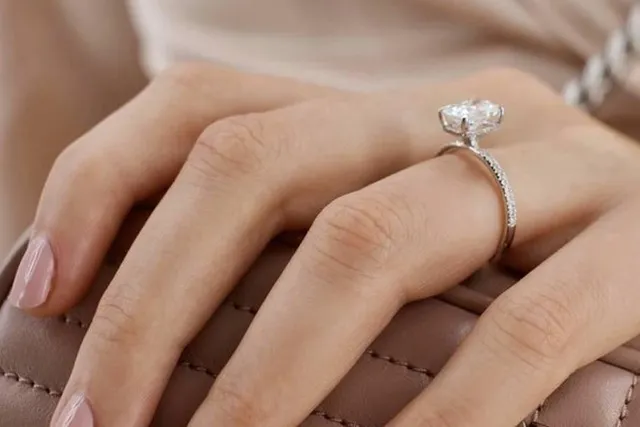
Good ring design is rarely about maximising every feature at the same time. Sapphire belongs to the corundum family and combines expressive colour with the hardness needed for regular jewellery wear. Looking closely at certified lab grown blure sapphire rings helps turn an abstract preference into specific choices about shape, scale and construction. The aim is not to follow a universal formula, but to understand which features will still feel right after the proposal photographs are finished.
A useful brief for lab grown blue sapphire rings begins with saturated colour that becomes the design’s emotional focal point. A successful design coordinates appearance with comfort, secure construction and realistic long-term care. Together, they should produce a deliberate order of attention rather than a collection of unrelated upgrades. Compare the piece on the hand, at arm’s length and in profile; each view answers a different practical question.
Understand the visual character
Judge hue, tone and saturation together. The most appealing stone is not automatically the darkest; colour should remain lively in both daylight and indoor light. Compare the complete piece rather than judging one specification in isolation, and ask how each design choice changes the view from above and from the side. Together, those decisions determine the natural-distance impression created by lab grown blue sapphire rings.
The shortlist should include enough contrast to expose your real preference. Compare a quieter option with a more decorative one, or a lower profile with a taller setting. Viewed this way, “Blue Sapphire Engagement Rings: Choosing the Right Shade and Setting” becomes a question of balance rather than a race towards the largest stone, brightest surface or most complicated construction.
Choose with the hand in mind
The supporting details of lab grown blue sapphire rings deserve equal care. White metals sharpen cool blue; yellow gold creates a richer contrast; rose gold softens pink and peach shades. Future wedding bands or stacking pieces should be considered early enough to avoid an awkward gap or unwanted friction. The relationship between these elements should look intentional from the top, side and three-quarter view.
Balance in lab grown blue sapphire rings is created by relationships: centre to band, setting to finger and decorative detail to open metal. Ask for the dimensions that describe those relationships. A single headline measurement rarely explains why one version looks calmer, brighter or more wearable than another.
Care and styling over time
In daily use, lab grown blue sapphire rings must succeed as jewellery rather than only as an image. A secure setting protects the stone while still letting its colour read clearly from above. Fit, height and edge profile decide whether a beautiful piece feels natural during ordinary hand movement. The final profile should leave the wearer confident about comfort, balance and future pairing.
A realistic care plan keeps lab grown blue sapphire rings looking intentional. Clean gently and ask a jeweller to check accent-stone settings, especially on halo or shoulder-set designs. A straightforward maintenance plan should be understood before purchase, including cleaning, inspections and any finish-specific care. Clarify cleaning, inspection and refinishing needs, then consider whether later resizing or stacking will disturb the original work. These are small conversations at purchase, but they matter over years of regular wear.
Final Thought
Success with lab grown blue sapphire rings is a matter of editing. Keep the feature that gives the piece identity, support it with proportionate details and remove anything that distracts. When fit, care and future pairing have also been considered, the result can feel both personal and enduring.