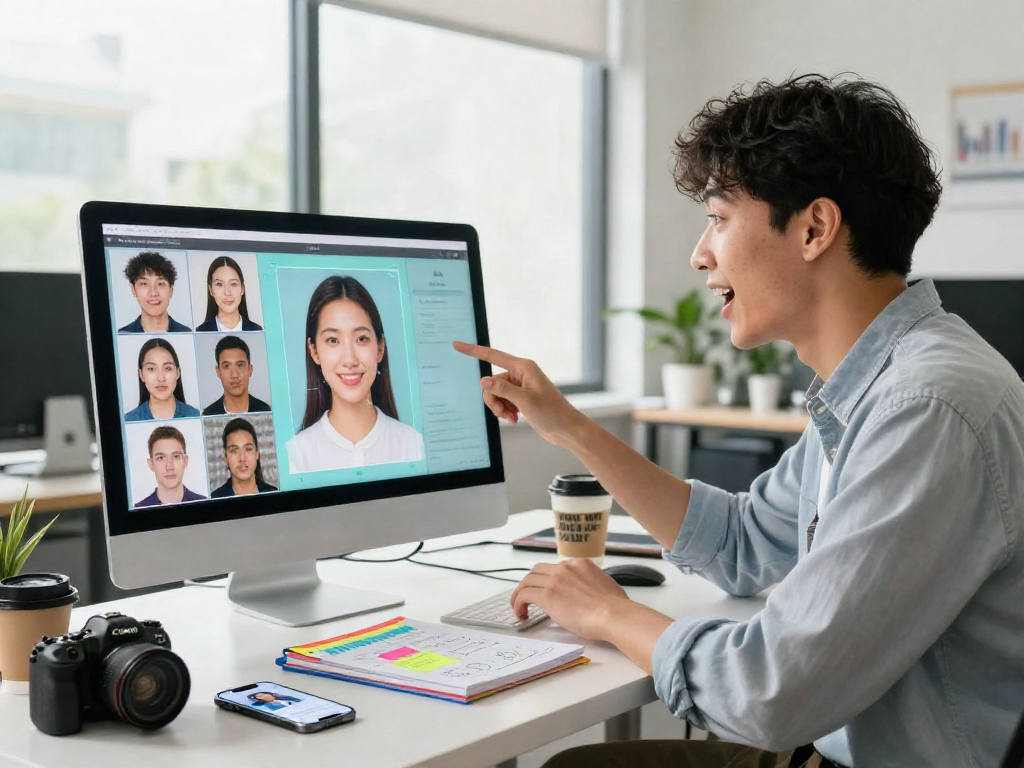
Understanding Attractiveness: The Basics
Attractiveness is a concept that has fascinated humanity for centuries, intertwining with notions of beauty, desirability, and societal standards. In today's digital age, the quest to test attractiveness has gained prominence, especially with advancements in artificial intelligence and online tools. People now seek to quantify their attractiveness as a means of self-assessment and personal development, which spurs discourse about what constitutes true beauty.
What Constitutes Attractiveness?
Attractiveness often amalgamates physical appearance and personality traits. Elements such as facial symmetry, skin clarity, and proportion are commonly associated with physical allure. However, individual charisma, kindness, intelligence, and other personality traits can enhance perceived attractiveness on a deeper level. As society evolves, so too do the characteristics that people find appealing, highlighting the subjective nature of beauty.
Historical Perspectives on Beauty and Attractiveness
The definition of beauty has transformed significantly over the ages. Ancient cultures revered certain body types and features based on their unique cultural contexts, while the Renaissance celebrated symmetry and proportion through the lens of artists like Leonardo da Vinci. As we venture into the modern era, exposure to diverse cultures through media has broadened our perceptions of beauty, making it more inclusive yet complex.
The Science Behind Attraction: A Brief Overview
From a scientific standpoint, factors such as evolutionary psychology suggest that certain traits signal genetic fitness, which can subconsciously influence attraction. Research indicates that people often gravitate towards individuals who exhibit health and vitality, as these attributes are indicative of biological advantages. Neurobiological studies have shown that attraction can trigger the release of dopamine, fostering emotional connections.
How to Test Attractiveness Effectively
With the rise of digital technology, numerous platforms allow individuals to assess their attractiveness. These tests typically evaluate key facial features and provide a score based on various criteria. However, it’s essential to approach these tests with a balanced perspective, understanding their limitations and the subjective nature of beauty scoring.
Top Online Tools to Test Attractiveness
Several online tools have emerged, leveraging AI to offer insights into facial attractiveness. Popular platforms include:
- Rate My Face: This tool utilizes AI algorithms to analyze facial symmetry and proportions.
- Beauty Calculator: It provides a score based on a range of beauty metrics, including the golden ratio.
- Facewow: Offers a comprehensive breakdown of facial traits, helping users understand their unique attractiveness.
Understanding Your Attractiveness Score
Interpreting an attractiveness score can be nuanced. Most tests present ratings on a scale of 1 to 10 or 0 to 100, which can vary widely based on the test's algorithm. Some users may find their scores fluctuate significantly across different platforms, reflecting the subjective nature of beauty assessments.
Limitations of Attractiveness Tests
While these tools can provide insight, they are not definitive indicators of one's worth or potential in social situations. External factors such as lighting, photo quality, and even mood can influence outcomes. Additionally, societal biases may lead to skewed results, emphasizing the need for critical interpretation of such tests.
Factors Influencing Attractiveness Ratings
Understanding the myriad factors that contribute to attractiveness ratings helps clarify why opinions on beauty differ significantly. Here are some key influencers:
Facial Symmetry and Proportions
Research consistently supports that facial symmetry plays a critical role in attractiveness assessments. Ideal proportions, often represented by the golden ratio, can enhance a person's perceived beauty. However, adherence to these standards varies greatly among cultures, which can shift the benchmarks for attractiveness.
The Role of Societal Standards
Societal perceptions heavily influence what is deemed attractive. Media representation, celebrity culture, and fashion trends shape public ideals of beauty. As global communication expands, these standards evolve, leading to a more diverse understanding of attractiveness that accommodates various body types, skin tones, and features.
Individual Preferences and Psychological Aspects
Personal experiences, cultural backgrounds, and psychological factors often determine individual preferences regarding attractiveness. What one person finds appealing may not resonate with another, proving that beauty is subjective and deeply personal.
Real-World Applications of Attractiveness Testing
The implications of attractiveness testing extend beyond self-assessment; they permeate various domains such as personal branding, marketing, and creative industries.
Enhancing Personal Branding and Digital Presence
In an age where first impressions often occur online, understanding and enhancing one's attractiveness can be pivotal for personal branding. Whether through social media or professional networks, strategies to improve image and attractiveness can lead to better engagement and opportunities.
Using Attractiveness Scores in the Creative Industries
In industries such as modeling, acting, and entertainment, attractiveness tests can play a crucial role in determining marketability. Understanding societal beauty standards can help creatives adjust their portfolios accordingly, ensuring they appeal to their target demographic.
Common Misconceptions and the Reality of Attractiveness
Many believe that physical attractiveness guarantees success and happiness, but research suggests otherwise. While it may offer initial advantages, long-term relationships and personal fulfillment often hinge on deeper qualities such as kindness, intelligence, and emotional compatibility.
Future Trends in Attractiveness Testing
The landscape of attractiveness testing is rapidly changing with technological advancements and shifts in social norms. Here are key trends shaping the future:
AI and Its Role in Attractiveness Assessment
As artificial intelligence continues to develop, its ability to analyze human features and beauty standards will become increasingly refined. Future tools may offer more personalized insights, incorporating diverse cultural perspectives to create a holistic understanding of attractiveness.
Shifts in Beauty Standards and Cultural Influences
Cultural narratives are shifting, with movements advocating for body positivity and inclusivity gaining momentum. These changes are reshaping societal standards of attraction, prompting a broader acceptance of varied forms of beauty that transcend traditional ideals.
Predictions for Attractiveness Testing in 2026 and Beyond
By 2026, we can expect a more nuanced approach to attractiveness testing, focusing on holistic well-being rather than purely physical attributes. These assessments may incorporate psychological and emotional factors, offering a more comprehensive evaluation of attractiveness that aligns with evolving societal values.
How can I test my attractiveness?
There are various online platforms that allow users to test their attractiveness by uploading a photo and receiving a score based on different beauty metrics.
Is 7 out of 10 considered attractive?
Generally, a score of 7 out of 10 is often viewed as attractive, reflecting above-average appeal, but perceptions can vary by cultural and individual standards.
Is there an accurate attractiveness test?
While many tests claim accuracy, their reliability often depends on the methodology and criteria used. It's vital to approach them with critical thinking and an understanding of their limitations.
Is a 6.5 out of 10 attractive?
A score of 6.5 can still represent attractiveness, often classified as above average. However, individual perceptions can vary, making it essential to consider the broader context.
How does attractiveness affect self-esteem?
Attractiveness can significantly influence self-esteem, often providing confidence and enhancing social interactions. However, it's crucial to remember that self-worth transcends physical appearance, and true self-esteem should be founded on a variety of personal attributes.